

N,N-Dimethyltryptamine (DMT) – Informational Overview
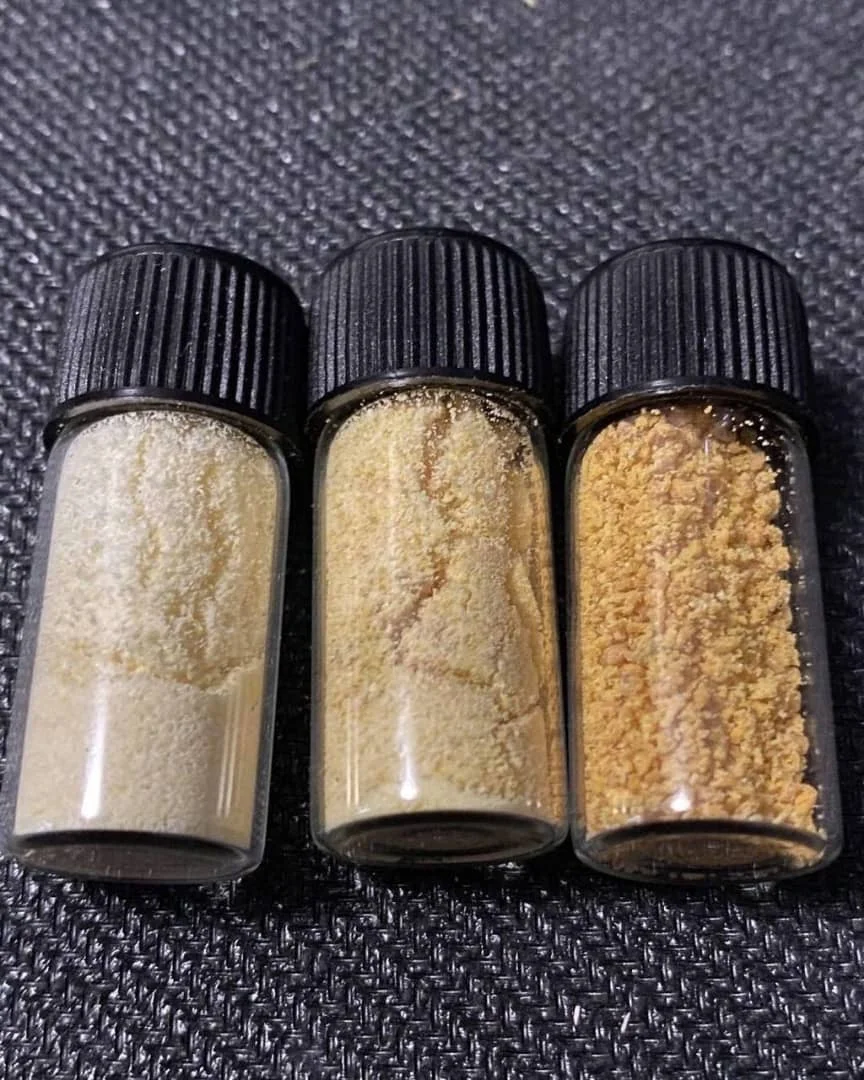
N,N-Dimethyltryptamine DMT. It is commonly referred to as DMT, is a naturally occurring tryptamine compound.
It appears in various plant species and has been studied within neuroscience and психopharmacology fields.
N,N-Dimethyltryptamine DMT
General Description
DMT belongs to a class of compounds known for their interaction with serotonin receptors.
Researchers examine how these compounds influence perception, cognition, and sensory processing.
It is often discussed alongside other naturally occurring tryptamines in academic literature.
N,N-Dimethyltryptamine DMT
Scientific and Research Context
Scientists study DMT in controlled environments to understand its effects on brain activity.
Research focuses on receptor binding, neural signaling, and altered states of consciousness.
Current studies explore potential therapeutic applications under strict regulatory frameworks.
N,N-Dimethyltryptamine DMT
Reported Effects in Research Literature
Published studies describe a range of perceptual and cognitive changes linked to DMT exposure.
Lower exposure levels may produce mild sensory changes and shifts in emotional perception.
Higher exposure levels may lead to intense visual patterns and altered perception of time.
Some reports describe dynamic imagery, color enhancement, and a sense of motion.
Experiences vary widely depending on individual biology and environmental context.
N,N-Dimethyltryptamine DMT
Variability Factors
Response differences depend on dosage, metabolism, and individual sensitivity levels.
Environmental setting and psychological state can influence perceived effects significantly.
Because of these variables, outcomes cannot be standardized or predicted accurately.
Safety Considerations
Safety discussions emphasize caution, awareness, and informed decision-making practices.
Mixing substances may increase risks and produce unpredictable physiological responses.
Individuals with certain conditions may face increased sensitivity or adverse reactions.
Clinical research settings typically include professional supervision and monitoring.
Legal Considerations
Many countries classify DMT as a controlled substance under national drug laws.
Legal status varies across jurisdictions, including differences at state and regional levels.
Users must verify and comply with applicable laws before possessing or handling materials.
Storage and Handling
Proper storage helps maintain chemical stability and reduces environmental exposure risks.
Keep materials in controlled conditions away from light, heat, and moisture.
Use appropriate containers and labeling for research or educational handling purposes.
Summary
DMT remains an important subject in scientific and academic research discussions.
Its interaction with brain systems continues to attract interest in controlled studies.
Understanding this compound requires careful research, legal awareness, and responsible handling.
Be the first to review “N,N-Dimethyltryptamine (DMT) – Informational Overview”
Related products

Chocolate bars
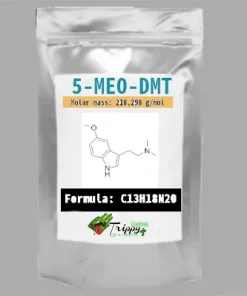
5-MeO-DMT for sale


5-MeO-DMT for sale

5-MeO-DMT for sale


Reviews
There are no reviews yet.