

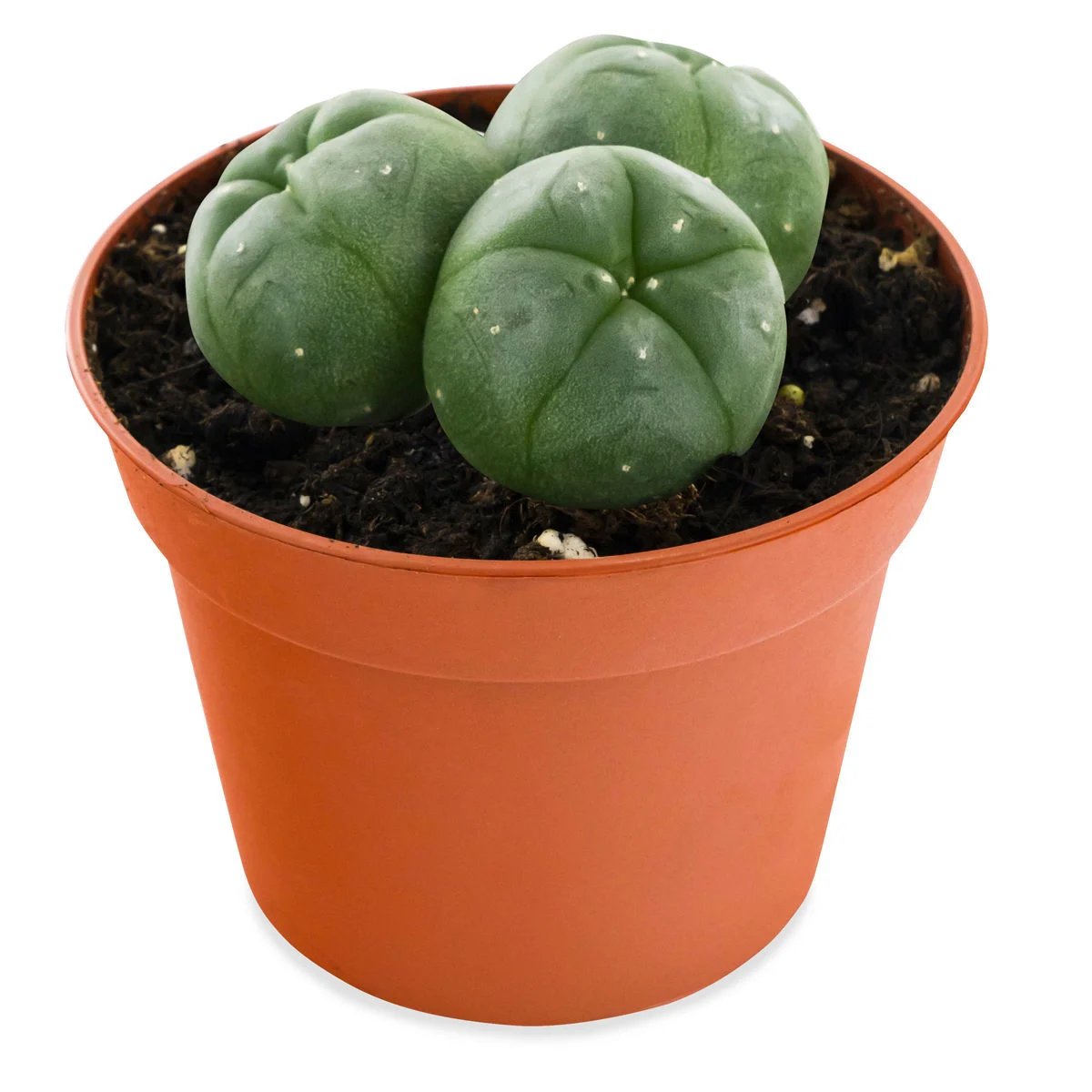
Peyote Cactus
$120.00
Peyote buttons are small, disk-shaped segments of the peyote cactus. The cactus contains mescaline, a naturally occurring psychedelic alkaloid that produces profound effects on consciousness, including visual and sensory alterations, heightened introspection, and spiritual experiences.
Peyote (Lophophora williamsii) – Informational Overview
Peyote Cactus. It refers to the small, spineless cactus species known as Lophophora williamsii.
This cactus produces button-like growths that develop slowly over many years.
Researchers and botanists recognize it for its unique structure and cultural significance.
Peyote Cactus
Botanical Description
Peyote grows as a low, rounded cactus with soft, bluish-green skin and no visible spines.
It forms small, disk-shaped crowns commonly called “buttons” on the plant surface.
These buttons represent the primary part studied in ethnobotany and plant research.
Peyote Cactus
Chemical Composition
The peyote cactus contains mescaline, a naturally occurring alkaloid found in certain cacti.
Scientists study mescaline for its interaction with brain receptors and perception pathways.
This compound belongs to a group of substances that influence sensory and cognitive processing.
Peyote Cactus
Cultural and Historical Context
Indigenous communities have used peyote in ceremonial practices for thousands of years.
Groups such as the Huichol and members of the Native American Church maintain these traditions.
Ceremonies often focus on prayer, reflection, and community connection.
These practices follow structured cultural and spiritual frameworks passed through generations.
Peyote Cactus
Research and Therapeutic Interest
Researchers study mescaline in controlled environments to explore potential therapeutic applications.
Some studies investigate its role in addressing conditions like anxiety and mood disorders.
These investigations occur under strict ethical guidelines and professional supervision.
Further research continues to evaluate safety, effectiveness, and long-term outcomes.
Peyote Cactus
Cognitive and Observational Studies
Some observational studies examine cognitive performance among individuals with ceremonial exposure.
Researchers use interviews and standardized tests to assess attention, memory, and processing.
Findings vary, and scientists continue to explore long-term cognitive effects in structured studies.
Peyote Cactus
Personal and Psychological Perspectives
Public discussions often associate peyote with introspection and personal reflection experiences.
Some individuals describe increased awareness of thoughts, emotions, and internal perspectives.
These descriptions vary widely and depend on individual and environmental factors.
Variability and Environmental Factors
Growth conditions influence peyote development, including soil composition and climate.
The cactus grows slowly and requires many years to reach maturity.
Environmental pressures and overharvesting have affected natural populations in some regions.
Legal and Ethical Considerations
Many regions regulate peyote and mescaline under controlled substance laws.
Legal exceptions may apply in specific cultural or religious contexts.
Individuals must verify local regulations before obtaining or cultivating peyote plants.
Ethical considerations include respecting Indigenous traditions and supporting conservation efforts.
Conservation Awareness
Peyote faces ecological challenges due to slow growth and habitat loss.
Conservation initiatives encourage sustainable practices and habitat protection.
Responsible sourcing plays a key role in preserving natural peyote populations.
Availability and Sourcing (Where Legal)
In regions where permitted, peyote may be available through licensed and ethical nurseries.
Some organizations focus on conservation and regulated cultivation practices.
Online sources may exist, but legality must always be verified before any transaction.
Storage and Care
Peyote requires dry, well-drained soil and minimal watering for proper growth.
It thrives in warm environments with adequate sunlight exposure.
Careful handling helps maintain plant health and longevity over time.
Summary
Peyote remains an important subject in botany, anthropology, and культурal research discussions.
Its historical use and unique characteristics continue to attract academic interest.
Understanding peyote requires respect for legal frameworks, cultural traditions, and ecological balance.
Be the first to review “Peyote Cactus”
Related products


Alice Mushroom Chocolate Bars

5-MeO-DMT for sale

5-MeO-DMT for sale


5-MeO-DMT for sale

Chocolate bars


Alice Mushroom Chocolate Bars


Chocolate bars
Reviews
There are no reviews yet.